
Our New (Ancient) Cow
Good morning from your farmers!
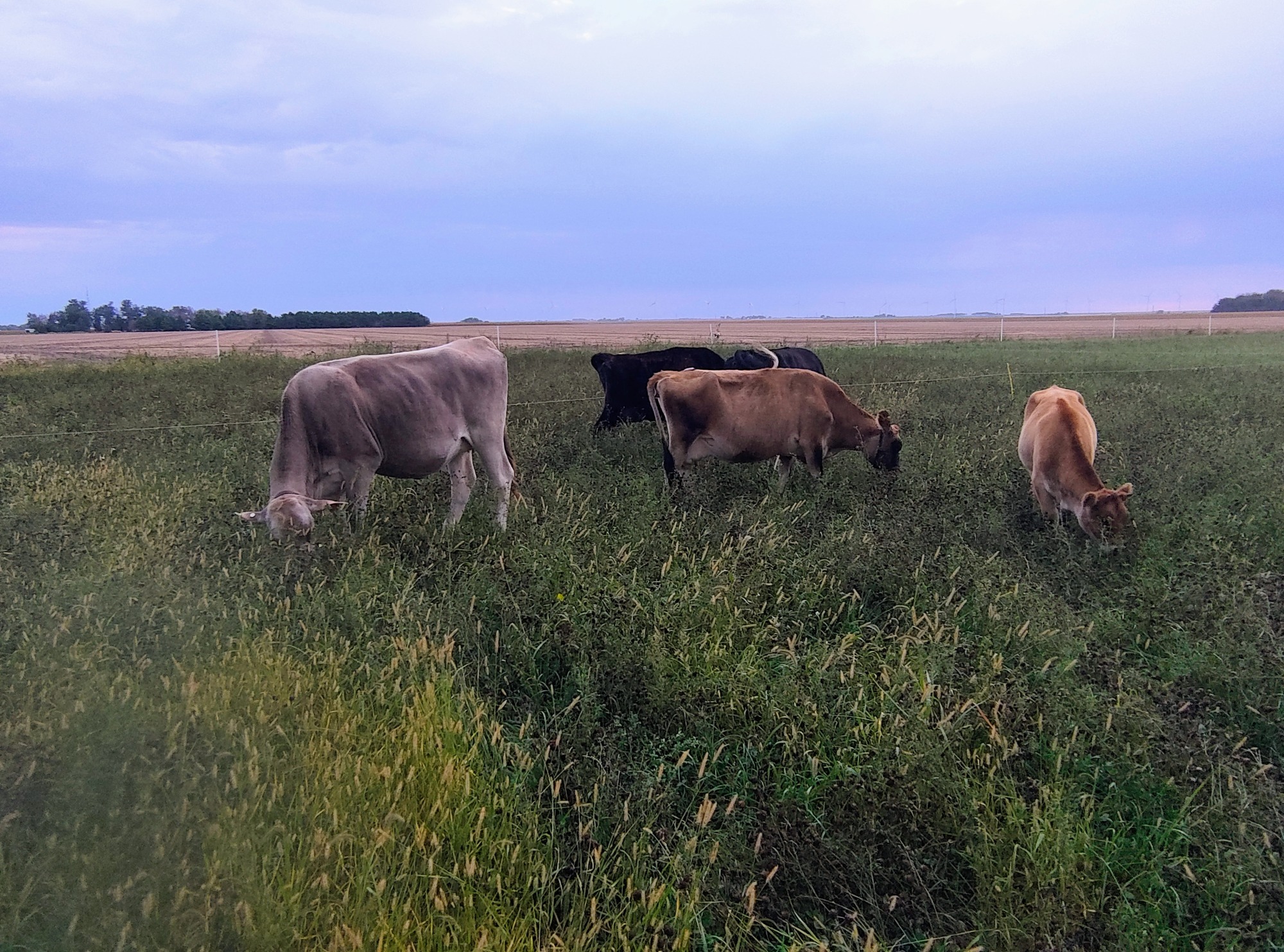
Join us in welcoming our newest member to our herd - Heidi! If you have seen her in our pasture, you might notice that she stands head and shoulders above our Jersey and Jersey-cross cows.
Why is she larger? Heidi is a purebred Brown Swiss dairy cow. Named after the classic alpine story, Heidi brings an extraordinary lineage to our farm that we can’t wait to share with you.
A Boost to Our Milk Supply
Heidi is about 2 years old and expecting her first calf in just 3-4 weeks, Lord willing!
We have been chronically short on our milk the last couple of months. Thanks for bearing with us as we’ve navigated reduced supply and have had to make some temporary adjustments. Anticipate full raw milk availability to resume in early-to-mid October. About that time as well, we should also be getting some more chickens, which should also help on our egg shortage.
With Heidi calving soon, followed by Vivian in December and Annie in May (all 3 bred to Brown Swiss bulls), we are anticipating that we will have a strong, sustainable milk supply available through this winter and into next Spring - possibly enabling us to pursue more value-added products again, like artisanal cheeses and raw cream.
Ancient Roots in the Swiss Alps
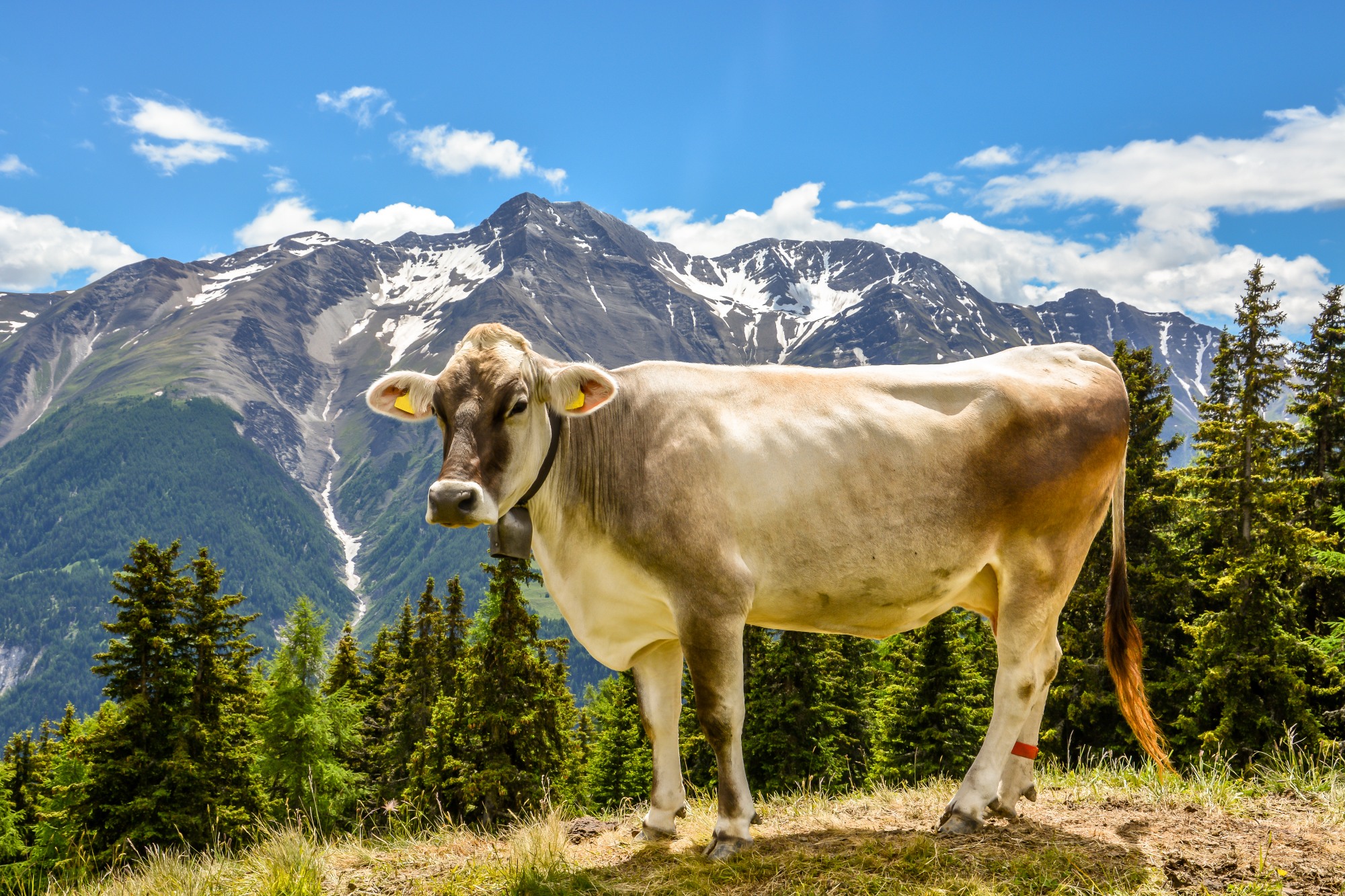
The picturesque bell-wearing Swiss cow grazing on treacherous alpine slopes is (most likely) from the Schwyzer cattle family (Brown Swiss/ Braunvieh). The Schwyzer cattle family is the oldest breed of dairy cattle in the world that we are aware of today. Archaeological evidence places these hardy cattle in Switzerland thousands of years BC, making them the most ancient cattle dairy breed in existence today.
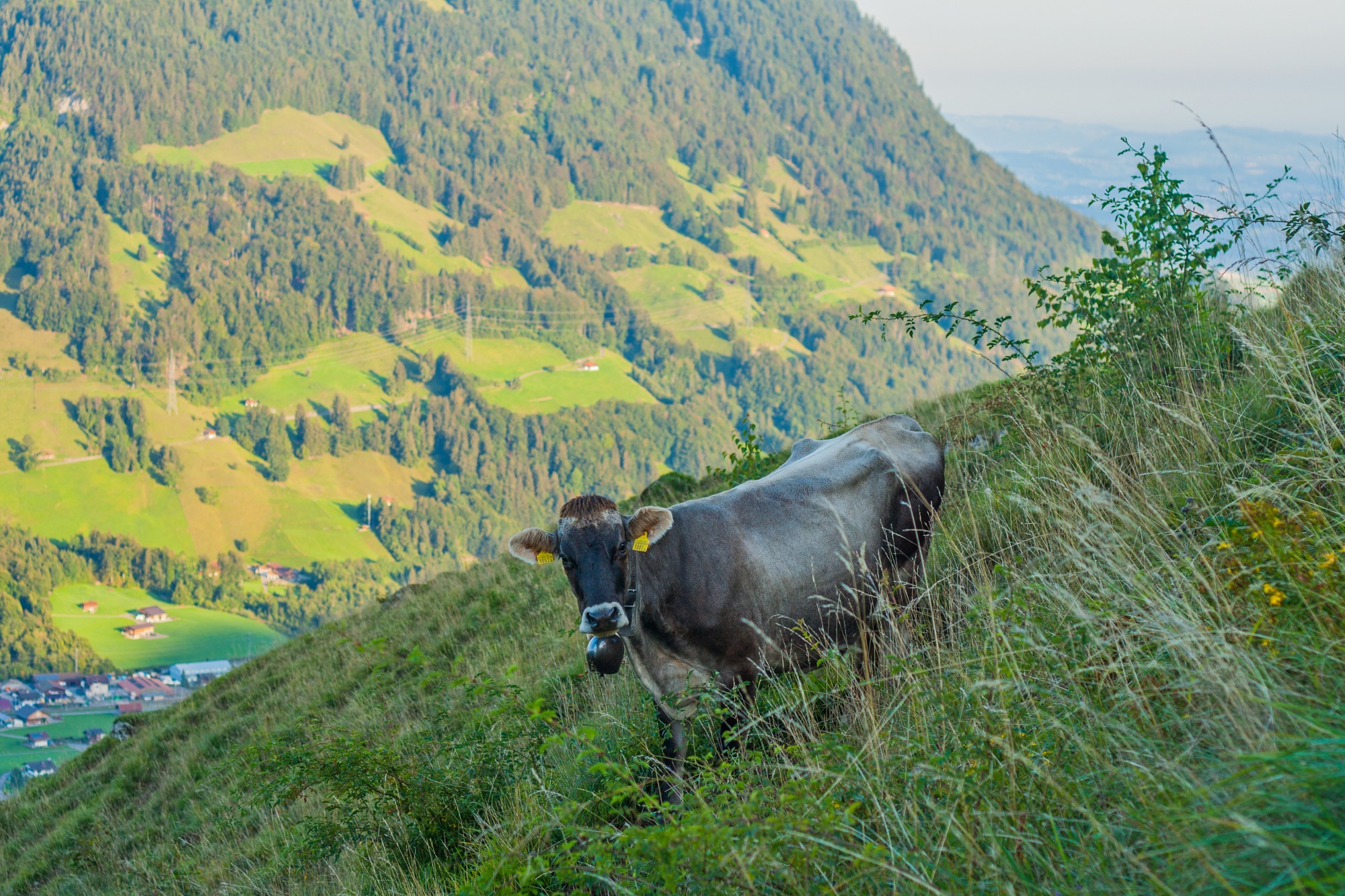
Schwyzer cattle grazing at elevations of up to 8500 feet in sub-ideal weather and terrain, made them exceptionally durable and robust. They can thrive in conditions where most other cattle would not survive.
Henry Clark (Belmont, MA) brought the first Schwyzer cattle to the United States by boat in 1869-1870 from the Canton of Schwyz, Switzerland. Traditionally, they served as a tri-purpose (meat, milk, and draft) animal for settlers, making these cattle extremely valuable for farmers in the post-civil war era.
I should elaborate on the Braunvieh cattle I referenced earlier - they are related to Brown Swiss, also descending from the same Schwyzer ancestors. While Brown Swiss have been selectively bred over the years to improve milk production, Braunvieh would be more similar to the tri-purpose Schwyzer originally imported from Switzerland, and is considered a beef cow today.
Quick Poll: Should we put bells on our Brown Swiss cows? You can text Caleb with your answers 😊.
The Gold Standard for Cheesemaking
Commercial dairies are brutal on cows as they commonly milk three times per day to maximize the milk production. Holsteins tend to get retired from these dairies after only a few years of production. While Jerseys, Ayrshire, & Fleckvieh cows last progressively longer than Holsteins, Brown Swiss are generally recognized as being the most durable commercial dairy breed - commonly lasting 5-7 years even in these environments.
As a regeneratively pastured dairy, our cows graze in the fresh air. When we let Heidi out into the pasture (probably for her first time), she was so excited that she ran around the pasture, kicking up her heels in joy. Cows in pastured settings like ours generally live considerably longer (10+ years) and are more healthy than their confined cousins.
Beyond their durability, Brown Swiss’ milk profile is exceptional:
- High Volume: They produce a substantial amount of milk, second only to the Holstein.
- Balanced Nutrients: They have the most ideal protein-to-fat ratio of any cow for cheesemaking. Because of their balanced nutrients, Brown Swiss generally have the highest cheese yield per cow of any dairy breed.
- A2A2 Beta-Casein: Over 50% of Brown Swiss cows produce milk with A2A2 Beta-Casein proteins, which is naturally easier for people to digest who struggle with conventional dairy.
- BB Kappa-Casein: Brown Swiss also favor BB Kappa-Casein proteins. This is preferred for cheesemaking as it coagulates quicker, makes firmer curds, and generally produces 8-15% more cheese.
Heidi is an A2A2-BB Brown Swiss, which makes her genetically the “gold standard” for a cheese-making cow. We look forward to building our herd around these traits for years to come.
Although we are focusing on Brown Swiss today, we may also consider incorporating some Fleckvieh genetics into our herd as well. Brown Swiss and Fleckvieh are both excellent cows with slightly different strengths and weaknesses (another email for another time).
Our goal at Covenant Pastures is to provide our families with nutrient dense raw milk and dairy products. Thanks for sticking with us through our growth pains the last year or so (yes, we are almost at 1 year of milking already!) By bringing in Brown Swiss genetics into our herd, hopefully we can make our dairy sustainable into the future and better serve our community.
Your local farmers,
Caleb & Faith Schrock
A few resources for this post: